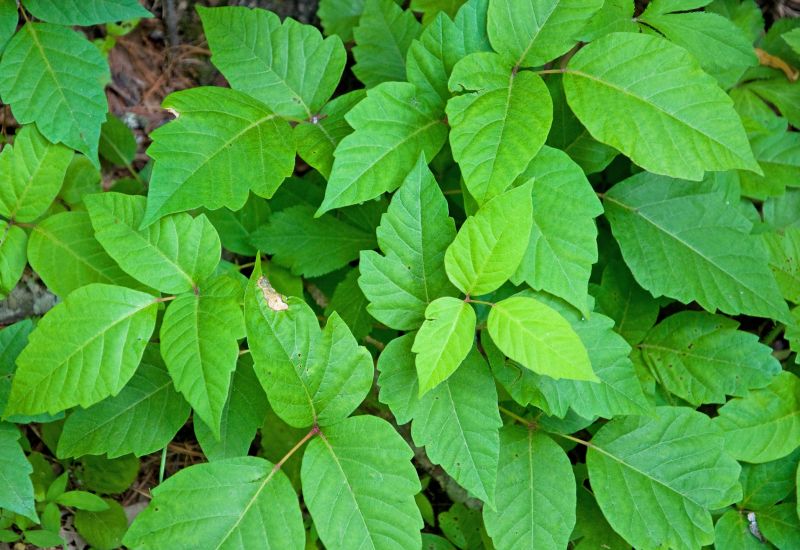
Poison Oak Removal in Delaware County, PA
Poison oak removal services are designed to safely eliminate this hazardous plant from residential properties, helping homeowners reduce the risk of skin irritation and allergic reactions. These services typically involve identifying and carefully removing poison oak from lawns, gardens, wooded areas, or other outdoor spaces. Projects may include clearing overgrown brush, trimming back plants, or treating affected areas to prevent regrowth, ensuring the property remains safe and accessible for outdoor activities.
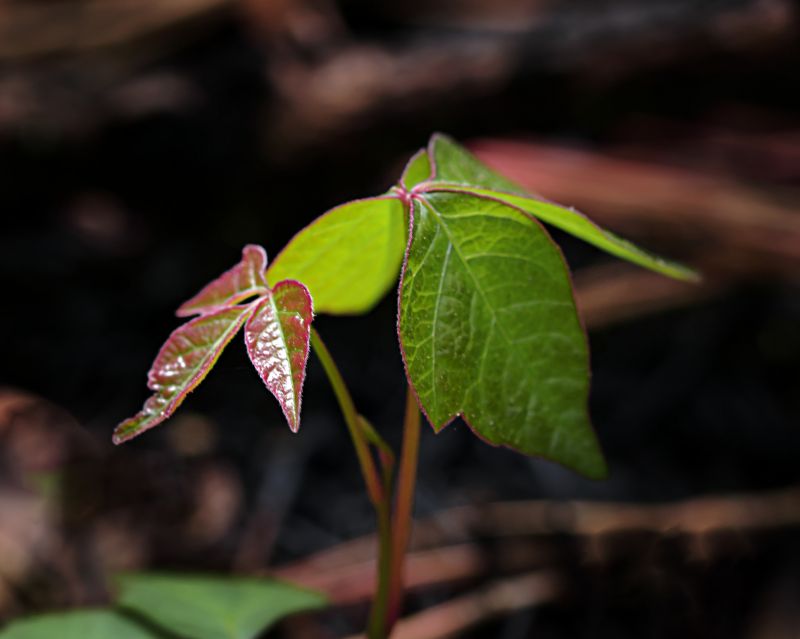
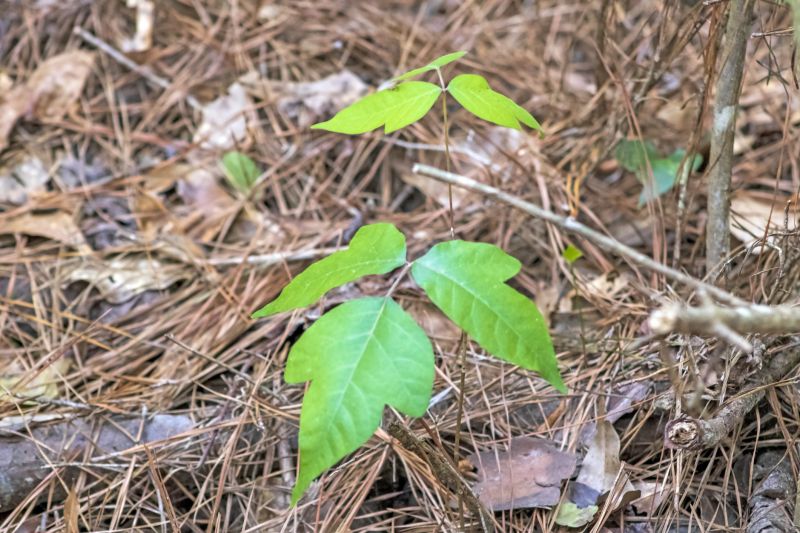
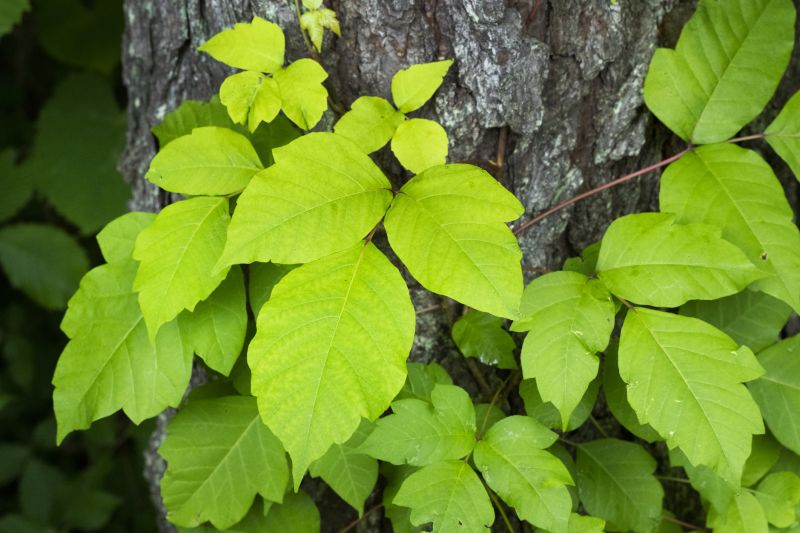
Property owners interested in poison oak removal should understand the importance of proper identification and the potential risks associated with handling the plant. It is recommended to seek professional assistance for removal, especially in areas where the plant is widespread or difficult to access. Clarifying the extent of the affected area and any specific concerns about safety or landscape preservation can help determine the most effective approach for removal and ongoing maintenance.
Many property owners in Delaware County, PA look into Poison Oak Removal for repairs, replacements, upgrades, and appearance-related improvements.
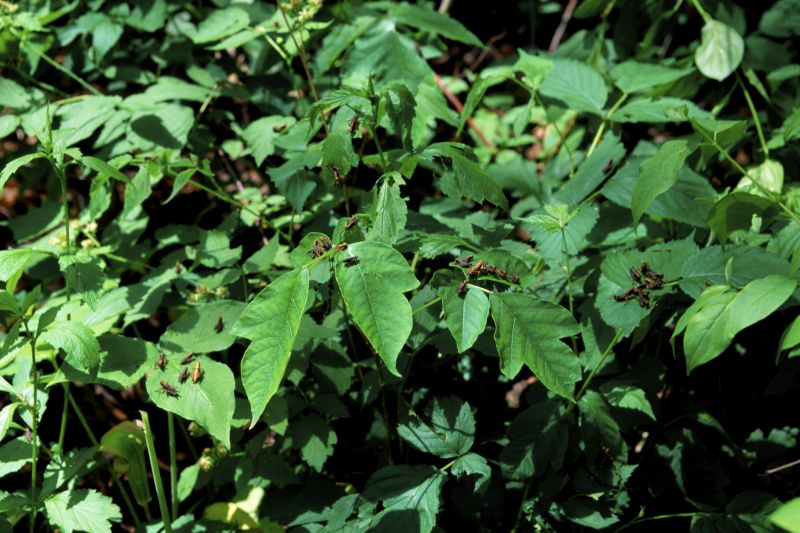
Poison Oak Removal For Residential Properties
Removing poison oak helps protect families and pets from skin irritation and allergic reactions.
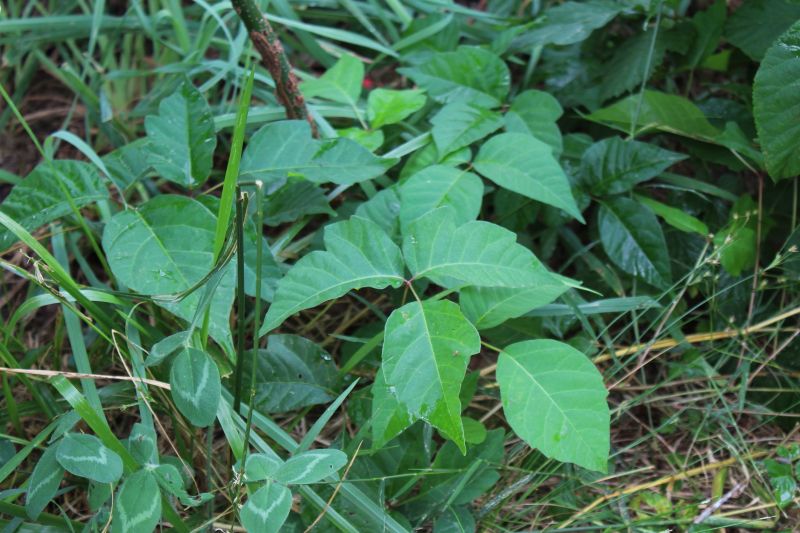
Commercial Poison Oak Clearing
Maintaining clear outdoor spaces reduces liability and ensures safe access for employees and visitors.
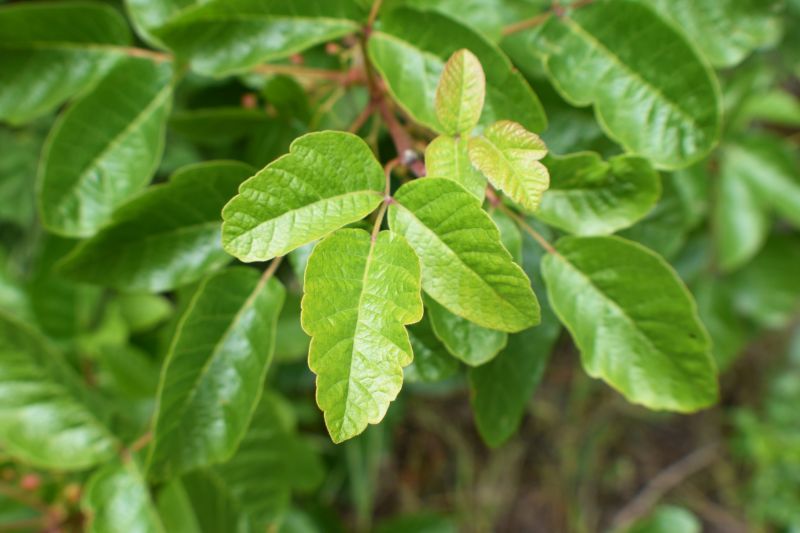
Preventative Poison Oak Management
Regular inspections and removal help keep properties safe and free from the spread of poison oak.
Poison Oak Removal in Delaware County, PA

Poison oak removal services are designed to safely eliminate this hazardous plant from residential properties, helping homeowners reduce the risk of skin irritation and allergic reactions. These services typically involve identifying and carefully removing poison oak from lawns, gardens, wooded areas, or other outdoor spaces. Projects may include clearing overgrown brush, trimming back plants, or treating affected areas to prevent regrowth, ensuring the property remains safe and accessible for outdoor activities.
Property owners interested in poison oak removal should understand the importance of proper identification and the potential risks associated with handling the plant. It is recommended to seek professional assistance for removal, especially in areas where the plant is widespread or difficult to access. Clarifying the extent of the affected area and any specific concerns about safety or landscape preservation can help determine the most effective approach for removal and ongoing maintenance.
Many property owners in Delaware County, PA look into Poison Oak Removal for repairs, replacements, upgrades, and appearance-related improvements.
Common Poison Oak Removal Jobs
Poison Oak Removal - safely eliminates poison oak from residential and commercial landscapes.
Land Clearing - clears overgrown areas infested with poison oak to restore safety.
Property Maintenance - includes regular removal of poison oak to prevent spread.
Brush and Shrub Removal - targets poison oak growth in dense shrubbery and wooded areas.
Trail and Path Clearing - removes poison oak along walkways and recreational trails.
Yard Cleanup - restores yard safety by removing poison oak and related debris.
Poison Oak Removal Questions
What is poison oak removal? Poison oak removal involves safely eliminating the plant to prevent skin irritation and reduce its spread on the property.
When should poison oak be removed? Removal is recommended when poison oak is actively growing or poses a risk to people and pets in the area.
What areas are typically treated for poison oak? Common treatment areas include yards, trails, fences, and around outdoor structures where poison oak is present.
Is professional poison oak removal necessary? Professional removal ensures safe and effective elimination, especially in hard-to-reach or heavily infested areas.
Request Poison Oak Removal in Delaware County, PA
Use the quote form on this page to share the basics of your project and request more information for the type of work you need.